MOVEMENT AS MEDICINE: New Evidence on the Benefits of Micro-Activity

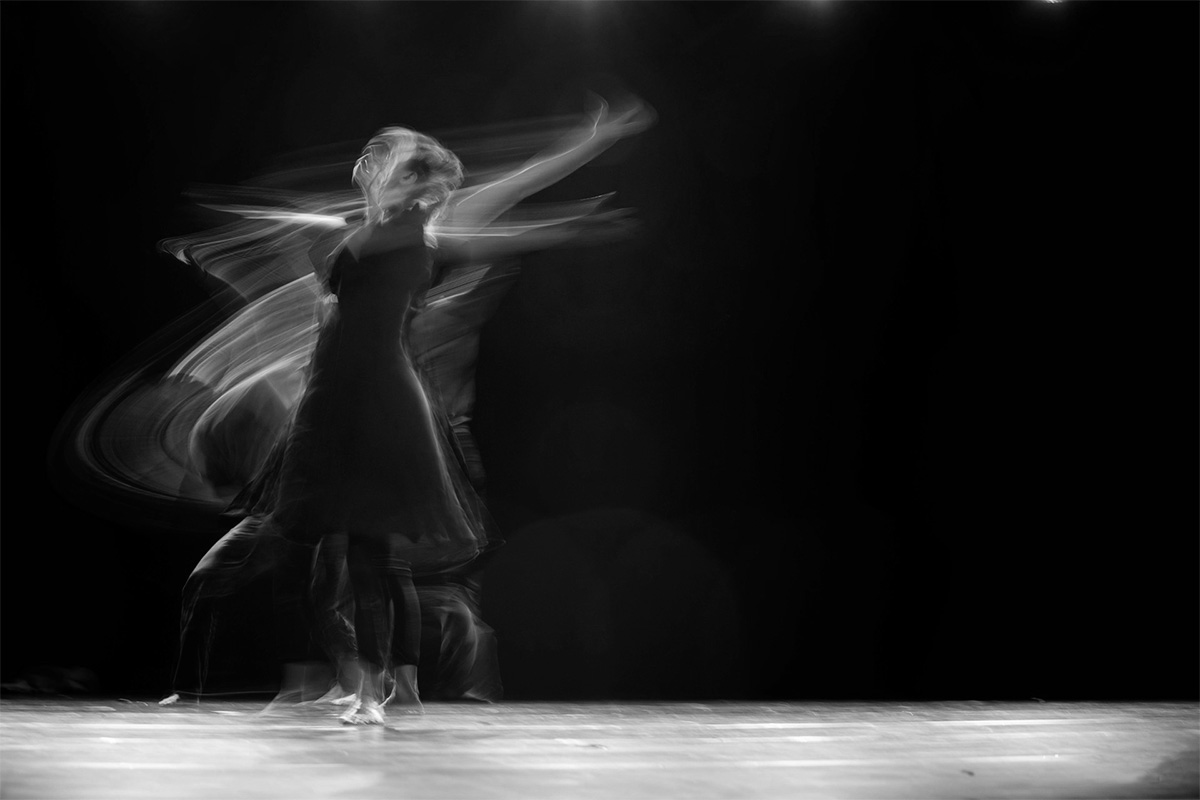
Photo by Ahmad Odeh on Unsplash
In recent years, science has repeatedly reshaped our understanding of health. In 2026, the journal Nature published an article that offered a new answer to the question: How much and what kind of movement do we need to stay healthy? It turns out that exhausting workouts at the gym are not necessary. Small bursts of movement woven into everyday life can have a positive impact on cardiovascular health and longevity that rivals the benefits of full hours of structured exercise.
PEOPLE PREFER TO SIT
C
urrent physical activity guidelines from the World Health Organization recommend that adults engage in 150–300 minutes of moderate-intensity activity per week or 75–150 minutes of vigorous exercise. These recommendations are primarily based on activities such as long walks, running, cycling, or going to the gym. However, objective data show that most people meet only a small fraction of these targets, leading predominantly sedentary lifestyles. In fact, one-third of the world’s population is physically inactive.
EXCESSIVE ACTIVITY OFFERS NO ADDITIONAL ADVANTAGE
If you achieve the 150 minutes of physical activity per week recommended by the World Health Organization, your risk of coronary heart disease decreases by 14%. Increasing activity to around 300 minutes per week reduces that risk by 20%. In other words, the benefits continue to grow as activity levels increase, but the rate of improvement gradually slows. Most surprising of all, however, is that exercising for just 75 minutes per week — half of the recommended 150 minutes — provides virtually the same benefit.
KNOCK OUT DEATH IN JUST 5 MINUTES!
As a result, researchers concluded that the greatest reduction in the risk of coronary heart disease can be achieved at the lower — and quite modest — end of the physical activity spectrum. A similar pattern is observed for mortality risk: beyond a certain point, additional physical activity provides relatively little extra benefit. Just five additional minutes of any form of physical activity — moderate or vigorous — per day could prevent 6% of all deaths among the 20% least active individuals.
“EXERCISE SNACKS” FOR THE LAZY
In this context, researchers highlight the concept of exercise snacks — brief bursts of physical activity that are much easier to fit into everyday life than hour-long workouts. These short episodes of movement may last only a few minutes, yet practical studies show that the regularity of even such micro-activities can be a key factor in improving health.
LONG WORKOUTS ARE NOT REQUIRED
What exactly does this term mean? It refers to structured, short sessions of physical activity lasting five minutes or less, performed at least twice a day on several days each week. Most often, these “snacks” involve climbing stairs at a brisk pace, fast walking, squats, bodyweight exercises, or similar activities that make the heart work harder than it does during a leisurely walk. Even as little as 15 minutes of cycling per week may be enough to reduce the risk of death.
A SEDENTARY LIFESTYLE IS NOT A LIFE SENTENCE!
A series of randomized studies conducted in several countries collected data from more than 400 adults, most of whom led sedentary lifestyles and did not meet the recommended activity levels. The analysis showed that short bursts of activity significantly improved cardiorespiratory fitness — the ability of the heart and lungs to function efficiently during physical exertion. Among older participants, researchers also observed some improvement in muscular endurance, although gains in strength and other physical performance indicators were less pronounced.
10,000 STEPS ARE NO LONGER NECESSARY!
The study demonstrated that among older women, as few as 4,400 steps per day — significantly less than the 10,000-step target many people strive for — were already associated with a lower risk of mortality. Beyond 7,500 steps per day, the benefits tended to plateau. Although there is no exact equivalence between the number of steps taken and minutes of physical activity, another study involving approximately 3,500 participants found that those who achieved 150 minutes of moderate-to-vigorous physical activity per week typically accumulated around 7,000 steps per day.
EVERYDAY ROUTINES BENEFIT HEALTH
What is particularly noteworthy is that adherence to these exercise programs proved remarkably high. In most cases, 90% of participants fully completed the program, while around 80% continued to follow it regularly over time. According to researchers, this highlights that brief bursts of activity are not only beneficial but also highly realistic to incorporate into everyday routines.
BREAKING UP PERIODS OF INACTIVITY
Why does it work? Although short bouts of activity do not replace a full workout session at the gym, they help interrupt prolonged periods of sitting, which are themselves associated with an increased risk of metabolic disorders, poorer blood sugar regulation, and reduced metabolic efficiency. Breaking up sedentary time with short bursts of movement helps keep the body metabolically active throughout the day.
REGULARITY MATTERS MORE THAN INTENSITY!
This shifts the focus: movement ceases to be something separate — an obligatory workout scheduled on the calendar — and instead becomes a continuous process woven into our daily lives and habitual actions. The benefits may depend less on the total volume of activity and more on its consistency and frequency. Just a few minutes of vigorous movement repeated throughout the day can have a meaningful impact on health.
HEALTH BECOMES MORE ACCESSIBLE
Although science has not yet established a definitive formula, experts believe that this model of movement — flexible, accessible, and easy to understand — could become an important component in the prevention of cardiovascular disease, diabetes, and other chronic conditions traditionally associated with sedentary lifestyles. The concept of “exercise snacks” also emphasizes that movement is beneficial not only during workouts but between them as well — at work, at home, and during breaks between tasks.
THE “SHORT BURSTS OF ACTIVITY” CONCEPT
Thus, the concept of short bursts of activity offers a realistic, scientifically grounded path for millions of people who simply lack the time or motivation for conventional exercise programs. And perhaps this very practice will become the key to long-term health improvement in our modern world, where every step and every movement can make a difference.
Original research:
When copying materials, please place an active link to www.huxley.media
Select the text and press Ctrl + Enter