A SERIES OF NOTES ON THE GLOBAL FRONTIER OF DEVELOPMENT NOTES FROM AFRICA 3: Botswana

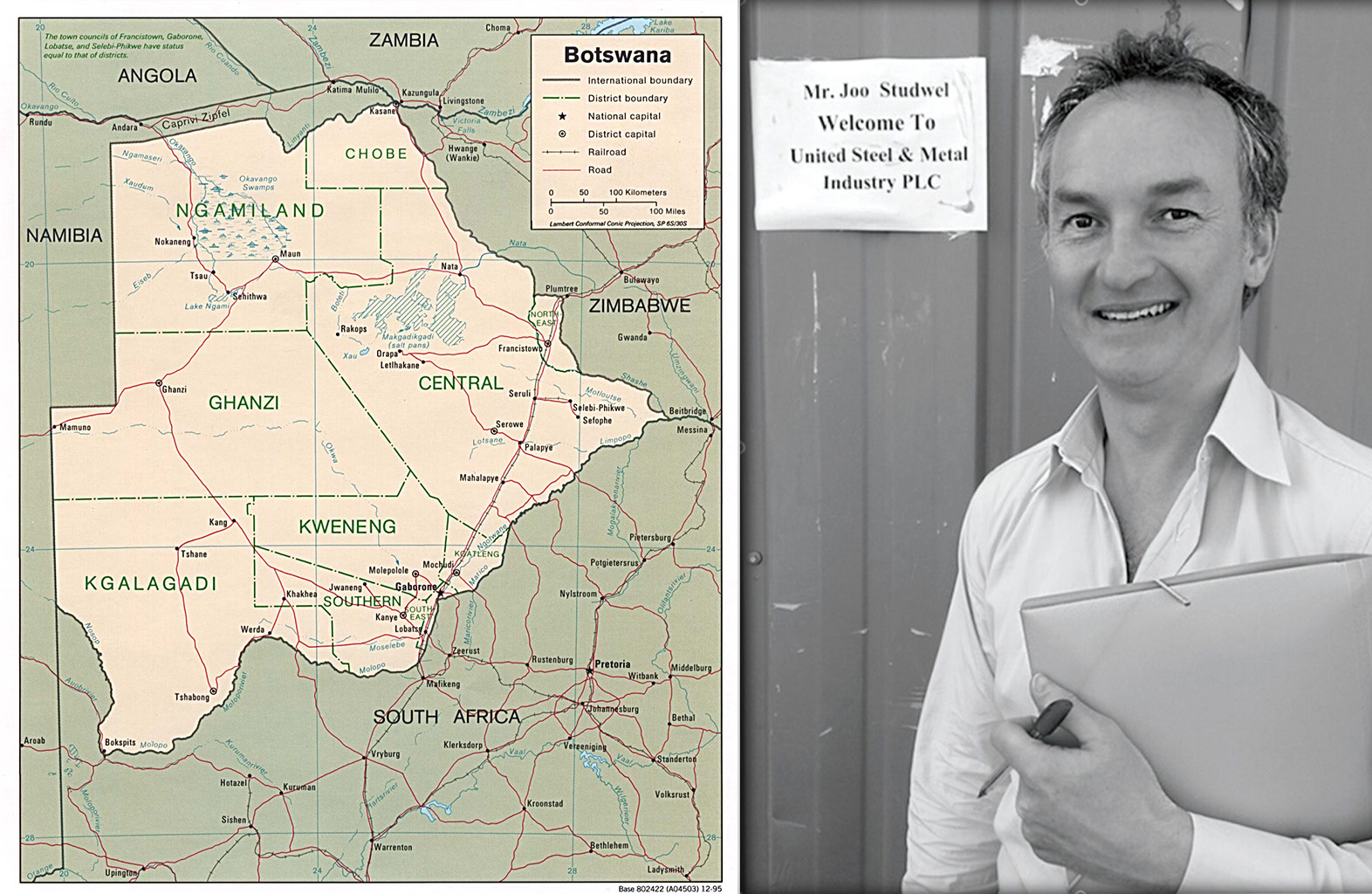
Map of Botswana / Joe Studwell
Huxley continues to publish a series of notes on Africa as the global frontier of development. The next subject of Joe Studwell’s research is the Republic of Botswana — one of the most developed countries on the continent. Joe Studwell rose to fame as the author of the bestseller How Asia Works. We hope that his notes will also help us understand how Ukraine works.
B
otswana is one of two outstanding examples of successful development in Africa. It is a country that, within just one generation after gaining independence, rose from poverty to upper-middle-income status — moving from the fourth to the second income tier on the World Bank scale. (The other genuine success story is the small island nation of Mauritius.) Botswana offers two important lessons for other developing countries, particularly in Africa.
First, how it managed to transform a traditional local aristocratic power structure, led by tribal chiefs, into a modern, national, democratic political system — one in which elite interests were sufficiently accommodated for them to agree to reforms. Second, in the successes and missteps that came as a result of this well-governed, resource-rich but once poor state choosing to follow conventional economic advice on how to leverage natural wealth for national development.
Botswana took shape during the colonial era as a large and largely arid territory surrounded by so-called settler states — sovereign countries colonised by settler migrants whose descendants maintained political dominance over Indigenous populations. These were South Africa, Southern Rhodesia (now Zimbabwe), and Namibia.
As in Namibia, the only viable form of economic activity was cattle grazing on semi-arid land. The heir to the throne of the largest «tribal» group (a term used by the British, though most of the eight designated «tribes» were assimilated rather than descended from common ancestors) was Seretse Khama. He spent over five years in exile, as his marriage to a white British woman was deemed an unacceptably provocative act by South Africa’s apartheid regime.
Nevertheless, upon his return in 1956, Khama worked closely with the last British commissioner to lay the groundwork for the development of national governance institutions. Initially, the Legislative Council was split equally between African and European representatives, with African members elected by a show of hands — a method that guaranteed advantage to the cattle-owning aristocracy.
When the politicised Batswana — as miners working in South Africa were known — formed a radical political party, Khama responded by creating an establishment party led by the African members of the Legislative Council. The Botswana Democratic Party (BDP) continues to dominate the country’s politics to this day.

Khama formed alliances with all supporters of a national, even if conservative, political agenda. The most important of these was with Quett Masire, the son of a chief from the Bangwaketse region, home to the country’s second-largest ethnic group.
Masire was elected to the Legislative Council and later became Vice President of Botswana, eventually succeeding Khama as the country’s second president. He was also a highly successful entrepreneur in the agricultural sector.
The British supported and trained Khama’s team, which enabled it to operate independently and efficiently in the final years of colonial rule — developing policy and applying for grants from the British Colonial Office.
Though Khama was a conservative aristocrat, he was a firm advocate of racial equality. In 1962, he proposed the establishment of a special committee on racial discrimination in the Legislative Council. The report published by this committee laid the foundation for ending racial segregation, which, though unofficial, was widespread.
Likewise, Khama blocked attempts by the small white community in Botswana to retain equal political representation — that is, the same number of parliamentary seats as the African majority. Khama compelled white minority political leaders to accept the reality of African majority rule, and he also persuaded the chiefs of the eight designated «tribal» groups to transfer key powers to the new national government.
Under the post-independence constitution, chiefs could not run for elected office. Instead, they were given lifelong positions in the advisory House of Chiefs. «Advisory» effectively meant powerless. Furthermore, the constitution established District Councils, which were granted most of the local governance functions that had previously belonged to the chiefs and tribal councils — along with staff, offices, and vehicles.
Chiefs received a stipend and held ex officio seats on the District Councils (ex officio is a Latin term meaning «by virtue of one’s office or position» — ed.). By the time they realised the full extent of their lost authority, it was already too late.
Khama, his government, and the BDP also worked to ensure economic support for their voter base. In 1963, the National Development Bank was established to provide targeted loans to wealthy cattle owners for drilling boreholes on the western fringes of the tribal reserves stretching into the sandy veld of the Kalahari.
This colonial-era strategy of subsidising large-scale cattle ranchers was combined with a significant expansion of state veterinary services and — in 1964–1965 — the construction of fencing to prevent the spread of foot-and-mouth disease.

The BDP added to this program by nationalising Botswana’s abattoir located on the border with South Africa, which allowed cattle owners — who supplied the vast majority of livestock — to increase their profits from meat sales. After independence, the newly established Botswana Meat Commission began to compensate losses during beef market downturns using government funds, further subsidising the interests of cattle owners.
Among the founders and key supporters of the BDP were primarily lower-ranking ambitious aristocrats and other entrepreneurs seeking to expand their businesses and obtain loans and subsidies for livestock farming. When elections were held in March 1965 under the new constitution, the BDP ran an aggressive campaign in rural areas — typically with the backing of local chiefs and in support of cattle-owning interests — and won 28 out of 31 seats in the new Legislative Assembly. Seretse Khama became Prime Minister, and in September 1966, Botswana gained independence.
A REPUTATION FOR RELIABILITY
Seretse Khama’s approach to politics and economic development was pragmatic and conservative. Unlike the leaders of other newly independent states such as Zambia and Tanzania, Khama did not rush to fill the civil service with national staff but instead waited until properly trained and experienced Batswana were available.
By the mid-1970s, the number of civil servants in Botswana had tripled as part of a nationwide training campaign. However, the replacement of expatriates in the top ranks of the civil service was only just beginning.
When the government lacked enough local teachers for its education program, it hired affordable foreign instructors from Ghana and India. In addition, a large number of Peace Corps volunteers from the United States were recruited and assigned to roles across various sectors — from teaching to bureaucratic positions in the central government.
South African socialist and anti-apartheid activist Patrick van Rensburg was invited to launch vocational training «brigades», which enrolled thousands of young people. The strategy for building state capacity was simply to do whatever worked.
BDP leadership also aimed to lead by personal example. Racial integration and frugality were key values. Ministers made a point of joining newly established, racially integrated (non-segregated — ed.) sports and social clubs in the capital, Gaborone. As for frugality, Seretse Khama was the only government minister who flew first class. Vice President Masire and other ministers traveled in economy class.

The government’s best human resources were brought into the planning division, which was merged with the Ministry of Finance to form the Ministry of Finance and Development Planning (MFDP). It was headed by Quett Masire. He articulated the country’s development goals in the form of rolling five-year plans, which were passed by legislation and therefore could not be altered without parliamentary approval.
Under Masire, expatriate economists — led by South African Quill Hermans, trained at Oxford and Harvard, and Briton Peter Landell-Mills, a Cambridge graduate — built one of Africa’s strongest reputations for well-planned aid coordination and targeted grant spending. By the early 1970s, only Congo and Gabon received more financial aid per capita in Africa.
In 1966, Botswana was already distinguished by its commitment to collective action for national development, a pragmatic «whatever works» approach, and the emergence of a planning bureaucracy — all characteristics of the most successful developing states in East Asia.
So when foreign companies discovered mineral deposits in Botswana, the government was ready to assert control over their exploitation. The first deposits that attracted multinational mining companies were copper-nickel ores near the town of Selebi-Phikwe in the east. Another was a diamond-bearing kimberlite pipe in Orapa, closer to central Botswana, discovered by the South African company De Beers.
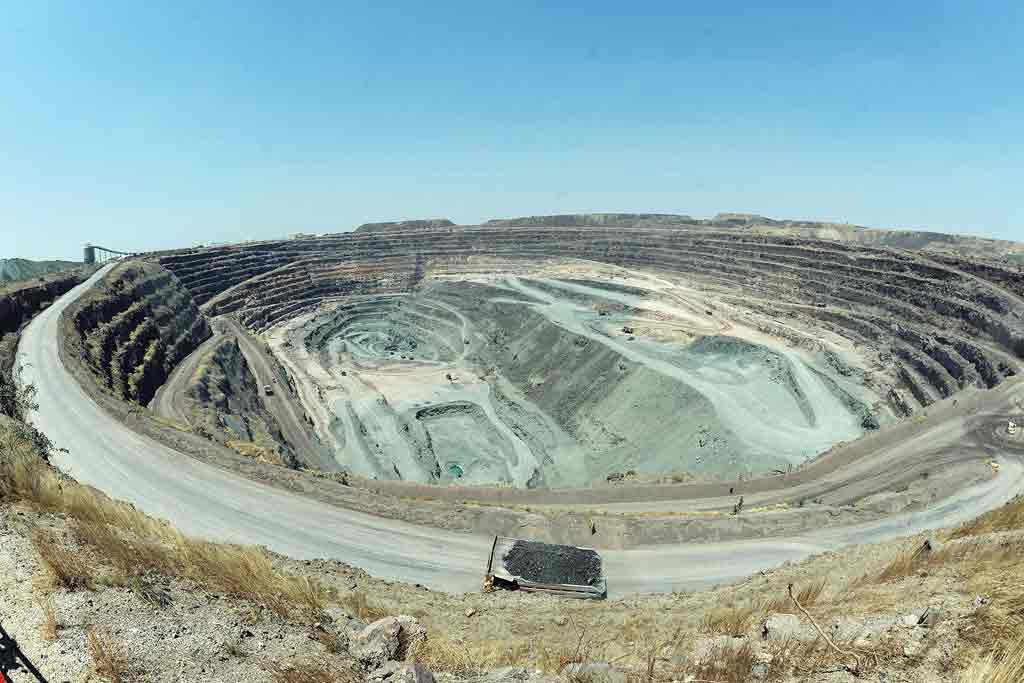
The copper-nickel project — which included three interconnected mines, a smelter, a dam, a railway spur, a power station, and an entire town — required investment amounting to one and a half times Botswana’s gross domestic product (GDP) in 1968–1969. Masire and Hermans ensured that all investment risks, including debt guarantees, were borne by the mining companies and financial agencies involved in the project.
Botswana received a free 15% equity stake as the price of the mineral extraction license, while royalties were to be paid from operating profits in addition to corporate income tax and withholding tax on dividends. The wisdom of the government’s approach was confirmed when copper and nickel prices fell, and the mine never became profitable. Nevertheless, the project funded the development of Botswana’s electrical and water systems as well as its road infrastructure.
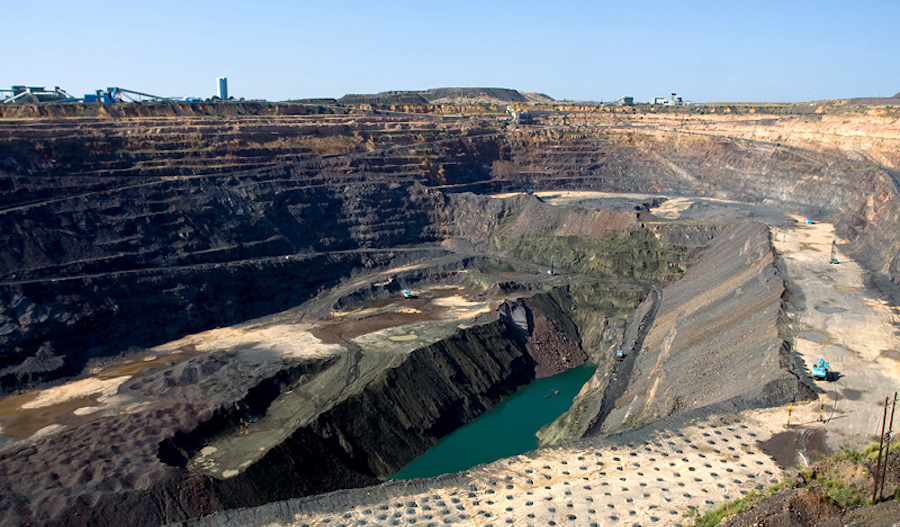
It was the Orapa diamond mine, opened in 1971, that truly transformed Botswana’s future. In its first full year, 1972, the Orapa operation produced 2.5 million carats of diamonds, generating 10% of government revenue through the state’s 15% share and tax proceeds.

De Beers requested to double the agreed production level and began developing two more diamondiferous kimberlite pipes 40 kilometers from the settlement of Letlhakane. Botswana’s planning team followed the advice of independent consultants and included a clause in the original contract allowing for its renegotiation in the event of «extraordinary» developments.
This clause was invoked, and the government demanded that the venture become a 50:50 joint enterprise — with De Beers continuing to cover all capital investment. Negotiations took three years, but the South African company eventually conceded. Under the new agreement, Botswana’s total share of profits — once taxes were included — amounted to 65–70%.
In 1976, a year after the joint venture agreement was signed, De Beers announced the discovery of a new kimberlite pipe in Jwaneng, southern Botswana. Where Orapa yielded 80 carats per hundred tons of ore and Letlhakane 30, Jwaneng yielded 140 — making it the most profitable diamond mine in the world. Once all three major sites were operational, Botswana’s share of global diamond production reached about 25% from 1982 onward — and has continued to grow.
Botswana’s planning team achieved other important outcomes regarding the country’s foreign trade regime. After independence, Peter Landell-Mills began reviewing the terms of Botswana’s membership in the Southern African Customs Union (SACU), which had not been revised since 1910.
The planning team negotiated a deal for Botswana based on current customs revenue, applying a coefficient of 1.42 to compensate for the tariff regime set by South Africa. As a result, customs revenue immediately rose from 1.4 million rand in 1968 — the final year under the old formula — to 5.14 million rand in 1969.
When mining development began in the 1970s, there was a need to import large quantities of dutiable equipment, which accelerated economic growth. This, in turn, stimulated further imports, and customs revenues increased significantly — helping Botswana balance its current budget from 1972 onward.
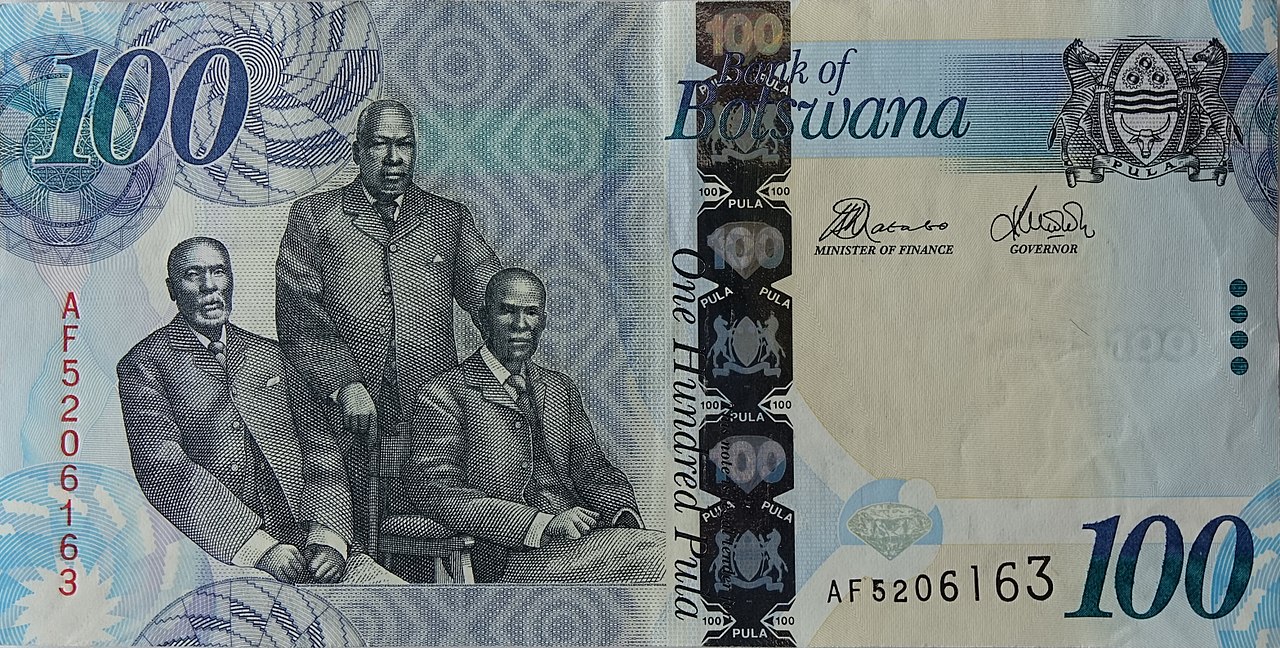
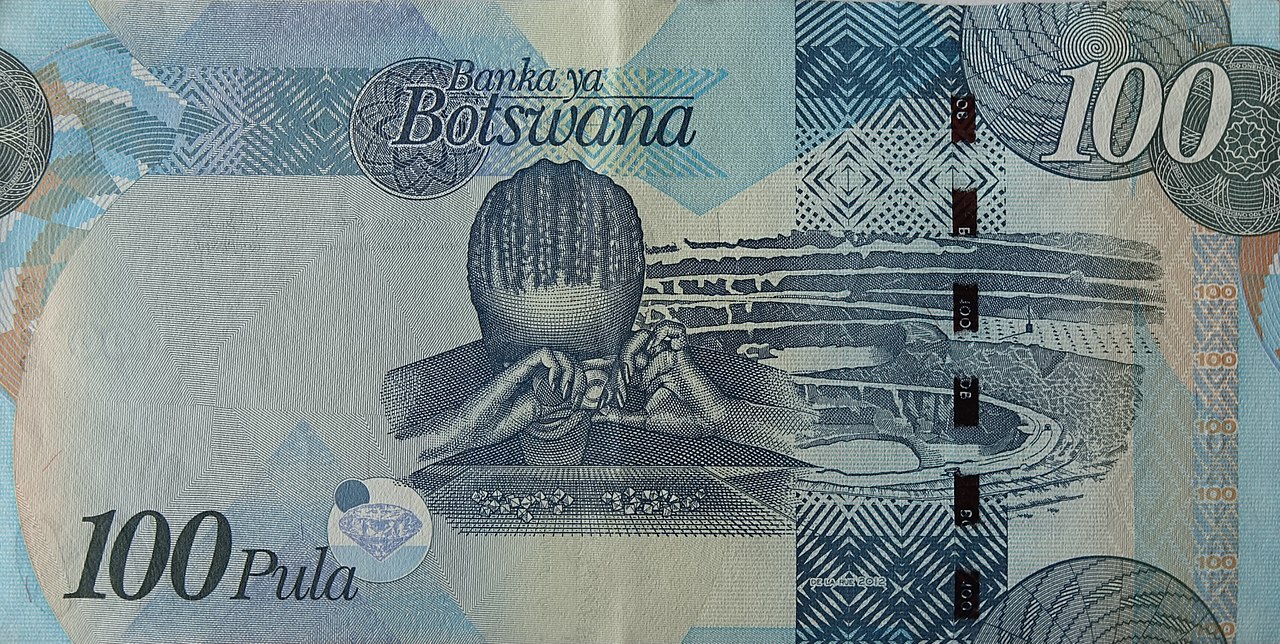
In 1976, Quill Hermans led the launch of Botswana’s national currency — the pula. Previously, Botswana had used the South African rand, but the MFDP wanted a national currency so that the foreign exchange reserves generated by mineral exports would fall under the control of Botswana’s new central bank.
The national currency, combined with domestic capital controls, also allowed Botswana to prevent the pula from appreciating during the mining boom — thus protecting the interests of cattle exporters.
In the first two decades after gaining independence, Botswana’s economy grew at over 13 percent annually, with mineral extraction accounting for half of the country’s GDP. The share of mineral revenues in government income grew even faster — reaching a quarter of total revenues by the mid-1970s and more than half by the mid-1980s.
At the same time, Botswana’s reputation for effective planning and project implementation helped sustain a high level of foreign aid. In the second half of the 1970s, aid still made up a quarter of all government spending in Botswana. From one of the poorest countries in the world, Botswana had transformed into a state concerned with how to manage surpluses.
LACK OF POLITICAL VISION
Despite the availability of surpluses, Botswana lacked a vision for structural change that would better align with its economy and the needs of its population. There was no clear understanding of the interests of a large number of small-scale farmers and herders in rural areas, nor of the importance of developing manufacturing and industry to provide employment for low-skilled urban residents.
National leader Seretse Khama and his administration acted mainly reactively, effectively managing emerging opportunities and problems, but without a comprehensive proactive strategy—aside from the long-standing support of the cattle sector. This was partly due to the influence of orthodox economists, who typically did not participate in the early development stages of East Asian states.
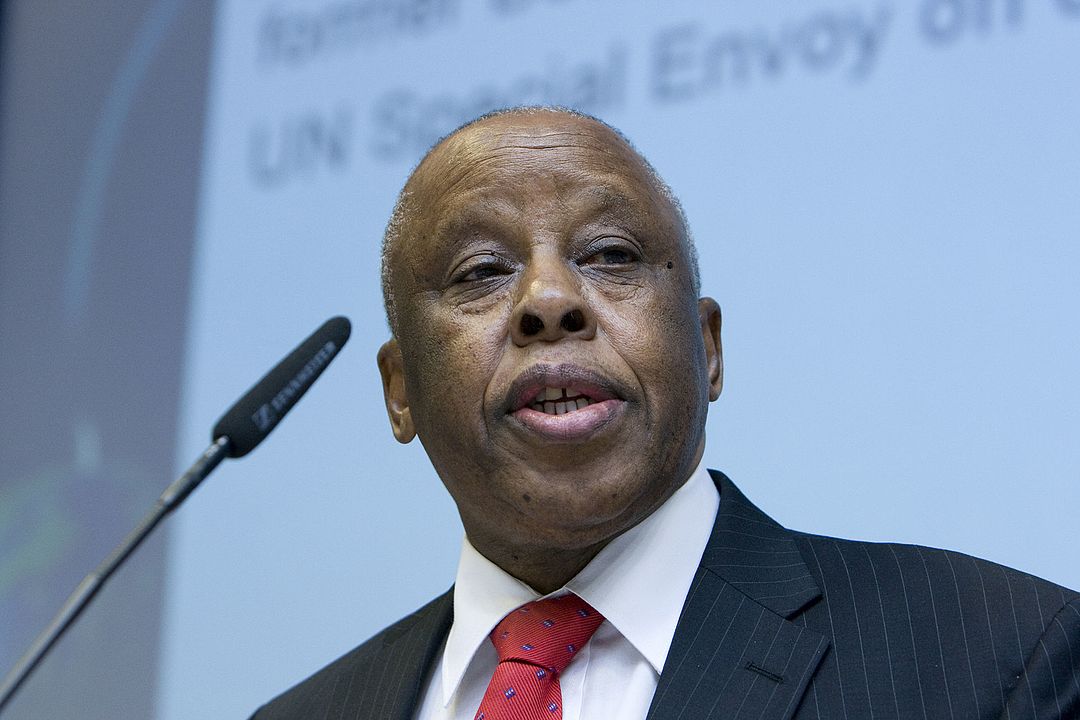
They sought to maximize efficiency in current affairs, rather than to structurally transform the economy. Looking back, Festus Mogae, Botswana’s third president, concluded: «We reacted to situations as they arose, but we had no vision of our future».
MFDP economists channeled investments primarily into education, healthcare, and basic infrastructure. For instance, secondary school enrollment rose from 1,531 students in 1966 to nearly 10,000 a decade later.
The number of hospitals increased from 7 in the early 1970s to 30 in the 1990s, and life expectancy rose from 48 years in 1966 to 65 in 1990. The length of paved roads expanded from 12 kilometers in 1966 to over 8,000 kilometers by the end of the century.
These investments, however, were insufficient to prevent poverty among a significant portion of the rural population. The continued drilling of private boreholes effectively led to the privatization of communal lands by large herd owners who could afford wells.
In Botswana’s Central District—the former Bamangwato Reserve and the area with the highest concentration of cattle grazing—fewer than five hundred individuals de facto gained private grazing rights to a quarter of the territory. An inclusive agricultural policy would have prioritized small-scale herding and involved local communities in land cultivation. However, such a strategy was never considered.
By the 1990s, approximately five percent of the population owned half of the national herd. This was large-scale but low-efficiency cattle farming, accompanied by a steady rise in the share of rural households reporting they had no cattle—from 28 percent in 1980 to 46 percent in 1999.
These households formed the core of rural poverty—a large group making up about a quarter of Botswana’s working population. Since the 1970s, as diamond mining revenues increased, the government’s policy to combat rural poverty focused on expanding subsidies for arable farming.
However, rain-fed arable farming is so risky in almost all parts of Botswana that it functions only as a supplement to less rain-dependent livestock farming. The subsidies were, in effect, disguised as social welfare payments. Beyond smallholder farming, another sector in which the government of Botswana could have helped create employment opportunities for people with limited education was manufacturing.
The highly profitable mines employed only 10,000 people, while the labor force was growing by 20,000 per year during the 1970s. Yet, manufacturing policy was inconsistent. This reflected the dominance of orthodox economists in the government, who understood that a mineral-based economy required diversification but were skeptical about using subsidies to stimulate industrial growth.
This lack of conviction resulted, on the one hand, in participation in state-led import substitution projects and, on the other, in a reluctance to actively subsidize private-sector exporters. The Botswana Development Corporation (BDC) was established in 1970 as an institution for investing in industrial projects. However, it limited its activity to basic import substitution with low value-added production, including breweries, soap factories, and flour mills.
There were no investments in more complex industrial enterprises, such as cement production or large-scale metalworking. Eventually, the BDC increasingly shifted its investments toward real estate projects. The government was unwilling to subsidize loans and electricity prices for export-oriented manufacturers—types of interventions that had supported the expansion of export production in East Asia.
Instead of subsidizing large-scale production, where firms’ competitiveness is tested by their export capacity—the essence of the East Asian model—Botswana introduced a program in 1982 that provided subsidies to enterprises based on their ability to create new jobs.
The Financial Assistance Policy (FAP) covered up to 90 percent of capital costs for starting a business and 80 percent of wages, reducing the support over the following five years to 20 percent.
The program turned into an economic bubble and was marked by increasing abuse over its 20-year lifespan. The manufacturing sector’s share of the economy remained at 4–5 percent, as FAP projects closed down as soon as the grants ended.
The only sector in which the government eventually achieved modest success in manufacturing was diamond cutting and polishing, which it managed to establish through periodic renegotiations of agreements with De Beers. Under a 2011 agreement, De Beers was compelled to relocate its global diamond sales hub—which distributes diamonds to approved sightholders or wholesale buyers—from London to Gaborone.
As of 2018, eight sightholders were operating diamond cutting and polishing businesses, and the total number of people employed in the diamond industry stood at around 3,000. Overall, however, the outcome of orthodox economic prescriptions in Botswana was an increased level of poverty and inequality despite rapid and sustained economic growth.
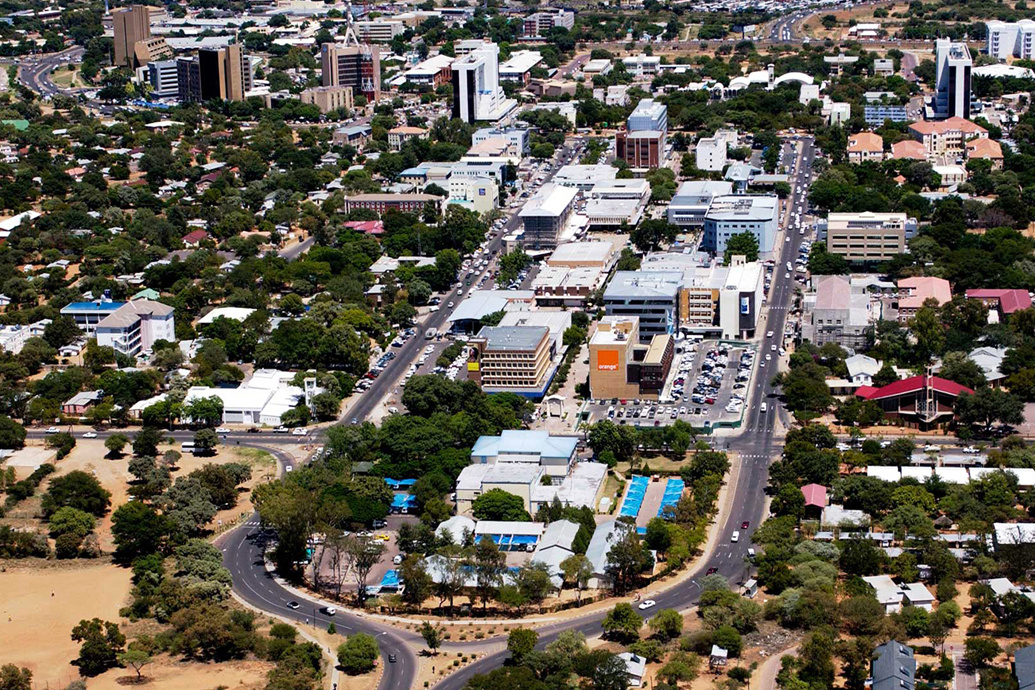
The sectoral economic orientation seen in developing East Asian states such as Japan, China, or Vietnam—toward small-scale agriculture and manufacturing that enabled broad-based development across all sectors—was absent. Instead, in Botswana, which today has a population of 2.3 million, there are only 340,000 formal jobs. Of these, 190,000 are in the private sector, and fewer than 40,000 in manufacturing.
The remaining 150,000 jobs in the public sector are within central and local government institutions. The government employs four times as many people as the manufacturing sector. The inability to create more private sector jobs leaves a large portion of Botswana’s population dependent on some form of social support—60,000 people work in public welfare programs, 70,000 needy individuals and caregivers of orphans live on aid, and 150,000 farmers survive thanks to subsidy programs.
Ellen Hillbom, a Swedish professor of economics who specializes in Botswana’s development, highlights the contrast between Botswana and advanced East Asian states by describing the former as a «gatekeeper state» (a form of governance in which leaders of weak states manage internal challenges through control over exports and imports—editor’s note).
She argues that the «gatekeeper», embodied by the BDP, created a stable coalition based on the cattle-herding elite, which collectively managed the country’s mineral wealth. However, Hillbom states: «The idea of stability lacked original thinking about how to transform society».
When copying materials, please place an active link to www.huxley.media
Select the text and press Ctrl + Enter