I SEE A SIGN: when illusion «speaks» louder than reality


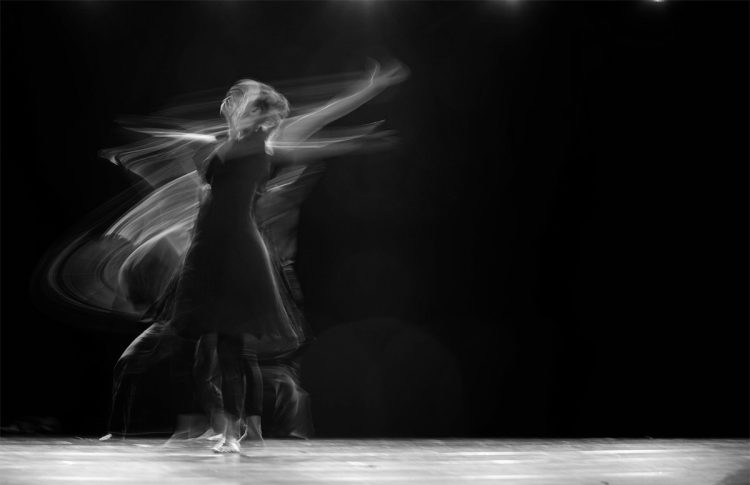
Photo source: alev.biz
The human brain is programmed to search for meaning, even in places where it doesn’t actually exist. This ability helps us navigate the world, interpret events, and draw conclusions based on accumulated experience. However, like any tool, this ability is not without flaws. One such manifestation is apophenia — a phenomenon where we perceive connections and patterns in random or unrelated events.
THE NATURE OF APOPHENIA
T
he term «apophenia» was first introduced in 1958 by German psychologist Klaus Conrad, who described it as a «non-specific perception of connections» and noted it as an early symptom of schizophrenia. However, apophenia is not only a pathology, but also a daily phenomenon that affects each of us.
Apophenia is linked to cognitive processes responsible for the perception and interpretation of information. The human brain is a powerful tool, capable of processing vast amounts of data and finding meaning in them. This process includes pattern recognition, comparing new data with previously received information, and creating models that help predict future events.
However, sometimes the brain may «overdo it» and start seeing patterns where none exist. For example, if a person hears a noise in the dark, they might interpret it as footsteps, when in reality, it’s just the wind rustling tree branches. This is how our brain strives to find meaning.
While studying this phenomenon, Conrad noted that apophenia can be part of normal cognitive processes as well as a symptom of mental disorders.
In its pathological form, apophenia manifests as an obsessive belief that random events hold deep personal significance or are interconnected. This condition is particularly characteristic of paranoia and schizophrenia.
SIGNS EVERYWHERE
However, even healthy individuals often encounter apophenia in daily life. It manifests in various situations. One of the most well-known examples is pareidolia, the phenomenon where people recognize faces in random objects or patterns, such as clouds, stains on walls, or mountain outlines. Many have seen images of faces on the Moon or the surface of Mars, which is a classic case of pareidolia.
Another typical example of apophenia is people’s tendency to identify numbers or events as «signs» or «omens». For instance, someone might believe that frequently seeing the same number carries some special meaning. In reality, it is often just a coincidence, but the brain interprets it as something significant.
Gamblers also frequently fall into the trap of apophenia. They may mistakenly believe that after a losing streak, the next bet is bound to win or that specific numbers or card combinations are more likely to occur. This phenomenon, known as the «gambler’s fallacy», illustrates how apophenia can influence our decisions and beliefs.
OMENS ON THE TITANIC
Before the 1912 disaster, many passengers and crew members reported seeing or hearing «omens» that they interpreted as signs foreshadowing the tragedy. These signs included disturbing dreams, strange coincidences, and unusual occurrences. For example, it’s known that some passengers canceled their journey at the last moment, citing a bad feeling, or told others that they had nightmares about the ship’s sinking.
One of the most vivid accounts of apophenia in this context comes from a survivor — First Officer Charles Lightoller. In his memoirs, he mentions that the ship’s captain, Edward Smith, might have been influenced by apophenia. Some believe that the captain chose to continue at full speed despite iceberg warnings because he thought that the Titanic was unsinkable and could avoid any danger.
Smith likely believed that his previous successful experiences commanding ships in similar conditions, which were also accompanied by perceived «signs», indicated that he could overcome all obstacles this time as well.
His susceptibility to apophenia contributed to underestimating the real danger, which in turn could have been one of the factors leading to the tragedy. While this hypothesis is not the sole explanation for the disaster, it highlights how apophenia can influence the perception of risk and decision-making in critical situations.
OMENS OF THE GREAT AND TERRIBLE
Even great leaders can see signs where none exist. History is full of such examples.
During the Egyptian campaign, Napoleon Bonaparte spent a night in the Great Pyramid of Giza. Afterward, he claimed to have seen omens of his destiny, though no one knows precisely what he meant. Many historians believe Napoleon may have interpreted random events or images as signs of his future glory and power.
Adolf Hitler was known for his inclination toward superstitions. He often took random events, such as coincidences or dreams, as signs of his mission and destiny. For instance, the Führer believed that surviving multiple assassination attempts was proof that he was chosen for a great purpose.
NOT JUST CHAOS
Apophenia, despite its potential pitfalls, has significant positive aspects in science and art. For example, thanks to apophenia, researchers analyzing data can notice unexpected correlations, opening doors to new hypotheses and research directions.
In art, apophenia serves as a source of inspiration, allowing creators and viewers to find meaning and beauty in abstract forms and random compositions. It is a valuable tool in the creative process. Artists, writers, and inventors often use this ability to see connections between seemingly unrelated objects or ideas, leading to the creation of unique and innovative works. This emphasizes that apophenia is not merely a perceptual error, but a powerful source for generating new concepts.
Apophenia is a multifaceted phenomenon that encourages unconventional decision-making and fosters creative thinking. It also opens up new perspectives. Its conscious use can enrich our perception of the world, allowing us to see deeper and broader beyond the boundaries of conventional rational approaches.
Understanding and embracing apophenia as a natural cognitive process helps us better distinguish between reality and our perception and utilize this process for creative expression and scientific discovery.
When copying materials, please place an active link to www.huxley.media
Select the text and press Ctrl + Enter