BORIS BURDA: How to Persuade the Pope to Allow Chocolate

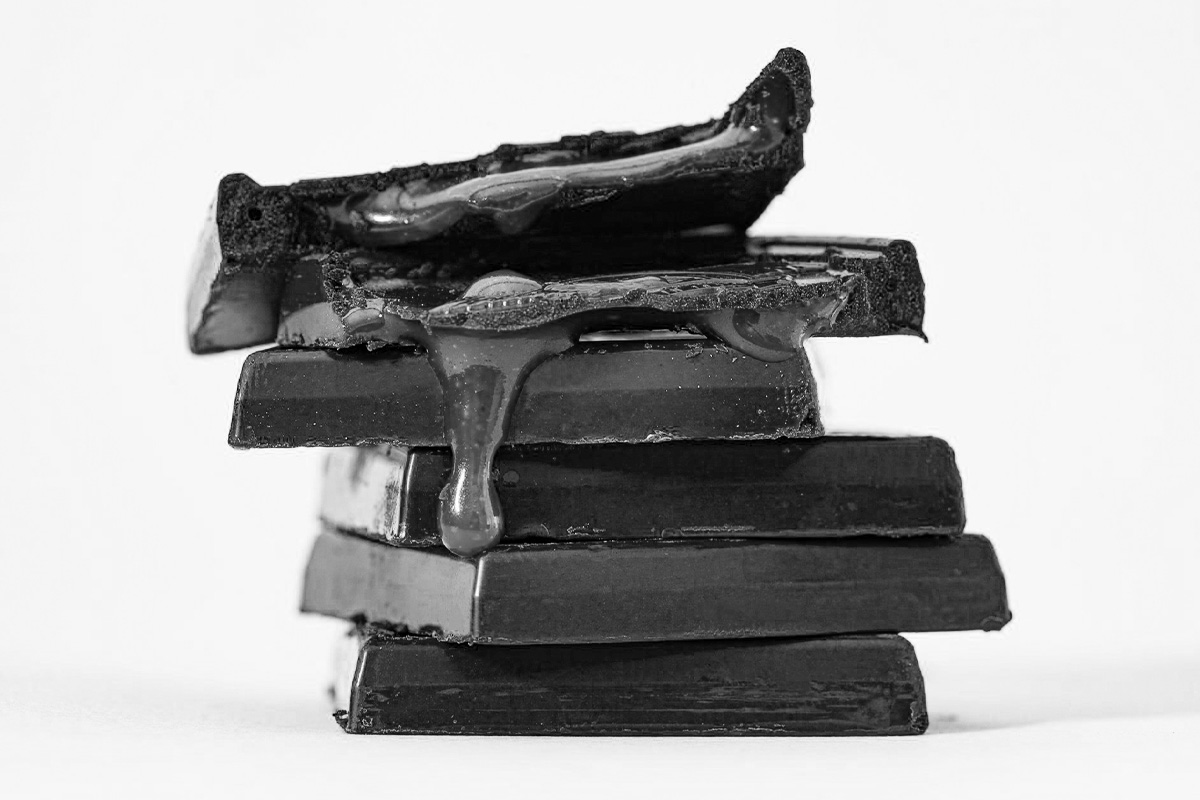
Photo by Michele Blackwell on Unsplash
ATTENTION — QUESTION!
In 1759, British privateers captured a Spanish ship sailing from the Americas. To their disappointment, the cargo had to be thrown overboard: they mistook it for goat droppings. But what was this cargo in fact?
ATTENTION — THE CORRECT ANSWER!
Cocoa — which only goes to show that these Britons still know nothing about fine cuisine…
FROM THE DEPTHS OF CENTURIES
C
lergy of all religions have always delighted in the opportunity to forbid something. First, to instill fear; second, so that later it can be gradually permitted again — for a good price; and third, to conduct searches in pursuit of this «heresy» — even if you find nothing, you might stumble upon something else you hadn’t even known about. As early as Ancient Egypt, they came up with banning certain types of food — legumes and fish fell under censorship. But people back then were so ancient that they got everything mixed up, and as a result, the ban applied only to priests, while common folk, soldiers, and even Those-Not-To-Be-Named could eat the prohibited foods without any punishment. Well, they were just learning… Buddhists approached the matter more responsibly and introduced a taboo on the «five pungent plants» — onions, garlic, leeks, wild onions, and horseradish. Supposedly, when eaten raw, they provoke anger, and when cooked, they arouse desire. They also banned meat, though they followed the Egyptian model — the ban applied to monks, while ordinary people were free to eat it. A sort of element of self-sacrifice…
Hindus gladly drink milk but will not eat a single piece of beef in their lifetime — how could they, it is a sacred animal! Meanwhile, Jews and Muslims cannot stand pork. In general, this made sense in a hot climate before the invention of refrigerators. Refrigerators have existed for quite a long time now — perhaps pork will eventually be allowed? How strict food prohibitions were in Catholic Europe during the Middle Ages can easily be understood by looking at the popularity of bacalao — cod, first salted and then dried — in Catholic countries. It is caught in huge quantities in the Atlantic Ocean near the island of Newfoundland and then transported to southern Europe. Why was this fish so in demand in southern Europe? How else could one manage when there were about 150 fasting days a year in Spain — almost every second day — when meat was forbidden, but bacalao was allowed? And so they made do with what they could — permitted salted and dried fish, hard as a stick, which had to be soaked for hours. They still eat it today…
YOU DON’T JOKE WITH THE CHURCH
All products known since ancient times were clearly divided by the Church into permitted and forbidden (either always or at certain times). Some of its decisions may seem surprising — for example, a papal разрешение, most likely by Clement IX, in response to a request from the Bishop of Quebec, allowed the eating of beavers during fasting — after all, they live in water, so they must be fish! And don’t blame it on the Middle Ages — in 2010, the Archbishop of New Orleans officially confirmed that an alligator is a «fish product» and is not forbidden during Lent. Capybara is still a favorite dish in Venezuela during the pre-Easter period: back in the 16th century, priests appealed to the Pope, and he permitted it — a water-dwelling animal with webbed feet: clearly a fish! As you can see, we are talking about products of the New World — Eurasian ones had been sorted out earlier, while the gifts of America raised questions.
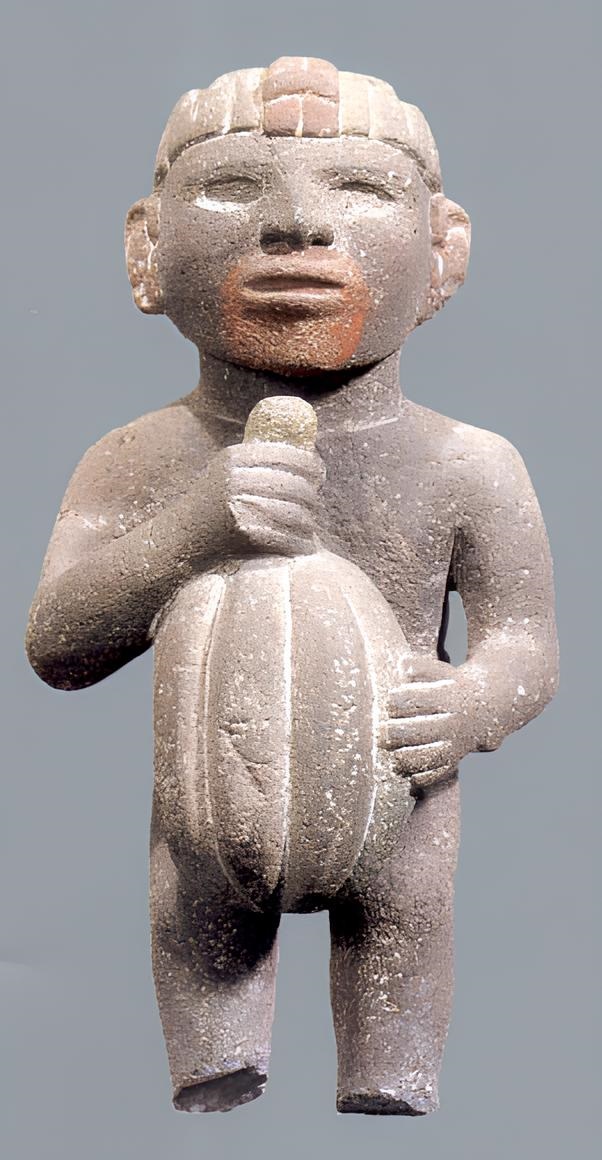
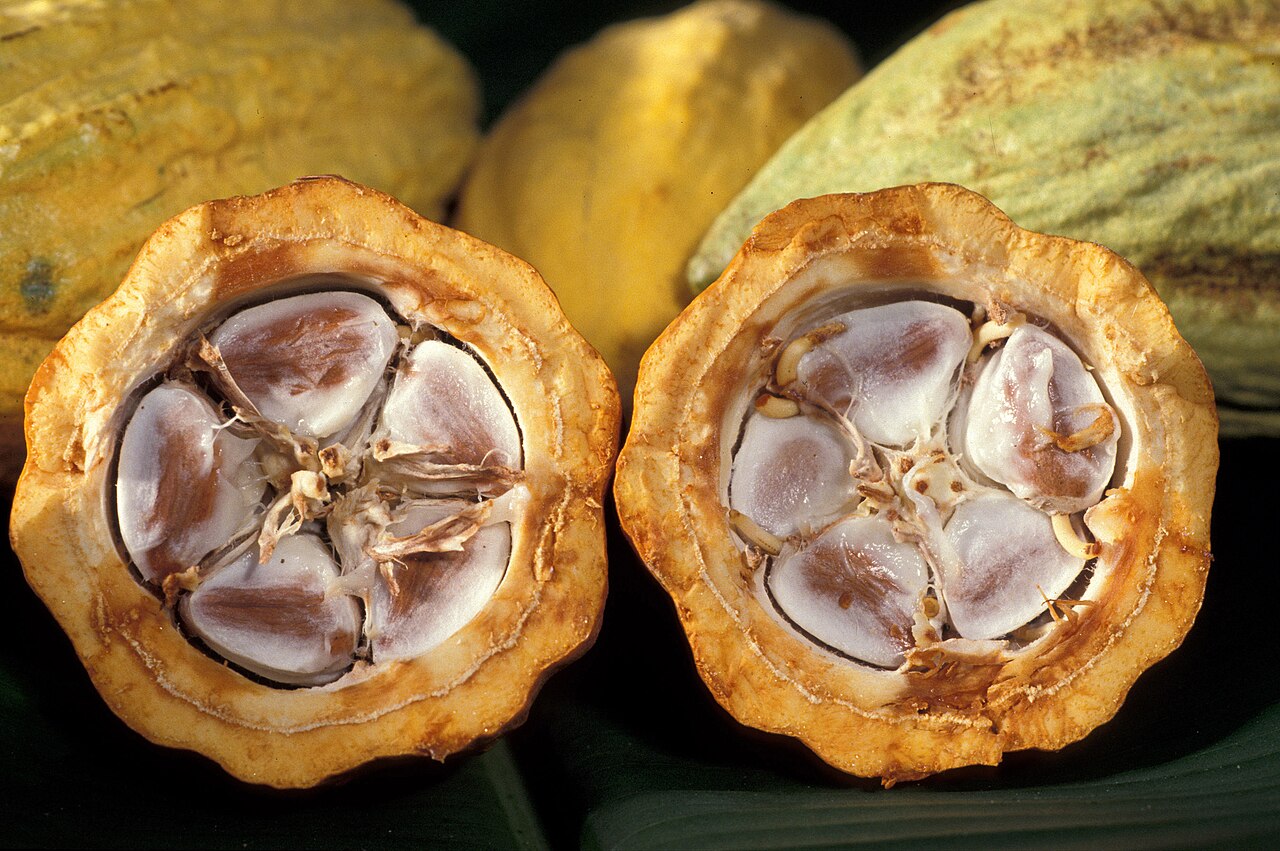
One particularly astonishing example was a remarkable fruit that successfully served as currency — one slave cost 100 fruits, a roasted turkey 200, and local «ladies of easy virtue» asked for 6 such fruits for a full range of intimate services: quite affordable, wouldn’t you say? From these fruits, by grinding them with red pepper and vanilla, the Aztecs made an invigorating drink called xocoatl, which translates roughly as «foamy water». For the local tlatoani — that is, Emperor Montezuma — xocoatl was prepared with honey, and he drank up to 60 cups a day to keep up with his numerous harem. Perhaps the cups were small? The first European to taste the bitter xocoatl in 1503 was Columbus. He spat it out for a long time and advised no one to drink such a foul concoction. But Cortés extracted the recipe for sweet xocoatl from Montezuma, treated Emperor Charles V to it, and soon xocoatl became a prestigious drink among the Spanish, who found it easier to call it «chocolate». From Spain, «chocolate» spread throughout Europe. Anne of Austria, daughter of Philip III of Spain (the very one with the diamond studs and the musketeers), brought a chest of these wondrous fruits to Paris, and the next French queen, Maria Theresa, would say: «I have two passions — chocolate and the king», placing the Sun King firmly in second place.
THE HIGHEST DECISION
Is it permissible to consume chocolate during fasting? The Church Fathers left no guidance — they simply did not know what it was. But the Spanish nobility had already settled this question for themselves, not only in the metropolis but also in the colonies, where cocoa actually grew. Ladies would drink dozens of cups of chocolate a day, considering it extremely beneficial for their health. Latin American prelates even convened a special «chocolate council» in 1569 to decide whether the popular drink was pleasing to God or opposed to Him. Since no agreement could be reached, the holy fathers acted like good bureaucrats — they passed the difficult question on to a higher authority. Father Girolamo de San Vincenzo, carrying a sack of the finest cocoa, set off for the Vatican to obtain a personal answer from Pope Pius V to a simple question: Is chocolate permitted on fasting days?
The Pope behaved like a true scientist-hero — he conducted an experiment on himself. Having honestly finished his cup of chocolate, His Holiness pronounced his verdict. He said: «What a disgusting thing! During fasting, one must not consume what brings pleasure — and certainly not this revolting brew, which I barely managed to finish. If anyone wishes to mortify their flesh during Lent with this dreadful drink, by all means, it is even quite pious. Though I doubt there will be many such devout people! Victory!!! Could it be that Father Girolamo had prepared poor chocolate? God forbid — no, everything was done according to the ancient Aztec recipe: ground cocoa beans, vanilla, and a great deal of the hottest chili pepper… But not a drop of honey, let alone sugar, was added! Everything was perfectly fair: the question was asked about cocoa, and the answer was perfectly clear — even during fasting, it is permitted!
OVERCOMING PREJUDICE
Pius V’s successor, Gregory XIII, was approached twice to clarify his predecessor’s permission. First, he was asked to give a clear answer as to whether it could be consumed during fasting. Then he was asked whether chocolate harmed abstinence. The Pope gave two answers in favor of chocolate — it was allowed, and it did not interfere. It seemed the issue had been settled once and for all, yet some unease remained. For instance, in 1648, the Bishop of the Mexican city of Chiapas, Bernardo de Salazar, was furious when he saw that even during Mass, servants of noble ladies were bringing them chocolate in church, cup after cup. He forbade drinking chocolate in the храм and stationed armed soldiers at the entrance — wealthy parishioners simply began attending other churches.
In his anger, the bishop banned chocolate altogether under threat of excommunication — the parishioners stopped attending Mass entirely. The bishop himself broke his own ban and, while meeting one of the province’s noble ladies, Doña Magdalena de Morales, drank a cup of chocolate, after which he died in agony. Poison? Nothing could be proven… The ladies with a sweet tooth, even after receiving permission to enjoy their favorite drink, were sometimes cautious. For example, one young woman wrote to her friend in those years: «I advise you not to eat chocolate. An acquaintance of mine ate it during pregnancy and gave birth to a completely black child». I believe it — but what does chocolate have to do with it?
PERMITTED BY THE POPE HIMSELF
So let us give thanks to the inventive and not unintelligent clergyman, Father Girolamo de San Vincenzo — the form in which he chose to present the disputed product for testing by the Supreme Pontiff contained no violations and led to a decision that suited almost everyone. By the end of the 18th century, the number of establishments serving chocolate in Paris had exceeded 500, while the fashionable English «chocolate houses» were far more prestigious than coffeehouses. And after the Swiss François-Louis Cailler created the first solid chocolate bar in 1819, it went on to conquer the world without obstacle. In the end, no one was surprised by the conclusion of nutrition expert Michael Levine, who stated: «In chemical terms, chocolate is truly the best food in the world». And the pharmacologist Ryan Huxtable was probably right in saying that chocolate is something more than food, yet less than a drug.
When copying materials, please place an active link to www.huxley.media
Select the text and press Ctrl + Enter


