«OSCAR» — CINEMA’S NEW YEAR

Photo source: oscars.org
In Los Angeles, on the night from Sunday to Monday, the 98th Academy Awards ceremony took place. Its triumphs went to director Paul Thomas Anderson, whose film One Battle After Another received as many as six statuettes, including the main one for Best Picture; the «wife of Shakespeare» from the drama Hamnet: The Story That Inspired «Hamlet»; Sean Penn; and Warner Bros., which harvested a total of 11 Oscars. This was the first ceremony in many years without politics, but with the human being at its center. The main themes of the evening were children, art, and family as a natural support for a person in our unsettled world.
E
ach Oscar is like a cinematic New Year. With all the ensuing festive ceremonies (in Los Angeles, people have long gathered as whole families, as if around a New Year’s table), with magic, enchantment, and the obligatory gifts. Everything we have lived through over the previous 365 days is collected here. Moreover, the Oscars are a true chronicle of film history, which the American Academy has been keeping since the 1920s. And the most important thing here is not the determination of the so-called best films (for which, in fact, there are no objective criteria), but the creation of a broad panorama of the cinematic year. The Oscars give us the opportunity to trace how society is changing before our eyes — and how we ourselves are changing. To hear the simplest yet sincere humanistic messages, imbued with a love for cinema, and therefore for life. After all, cinema is life with all the boring parts cut out. This year’s ceremony is unexpectedly the best in recent years — perhaps even the best in a decade.
When was the last time the Oscars felt like a gripping, tense, and, at the same time, touching event? I personally cannot recall. In previous years, everything looked predictable. But most importantly, cinema itself had receded into the background, уступая место все более доминировавшей на церемонии политике. This time, the American Academy of Motion Picture Arts and Sciences, keenly sensing the public mood, placed not politics but cinema — along with its human stories, emotions, and meanings — at the center of the celebration. The appointed host, American comedian Conan O’Brien, did everything to make the evening not dull but spectacular. With energy but without pressure, he skillfully balanced, avoiding sharp edges while not slipping into cloying political correctness.
Artificial intelligence also got its share («It is a great honor for me to be the last human to host the Academy Awards!»), and there was the inevitable harmless jab at the leading favorite among male actors, Timothée Chalamet («I was told there are concerns about criticism from the opera and ballet communities»). But one of the reasons Conan was on stage is that his jokes do without the biting sharpness that the Oscars flirted with not so long ago. Instead, there were notes of friendly, triumphant irony with elements of joy and optimism that contemporary cinema has lost. The only one who allowed themself a political statement at this celebration of cinema was Javier Bardem. Out of habit (in recent years, at almost every film festival, he demonstratively shows his political stance), the actor appeared on stage in a tuxedo with a «No War» slogan pinned to it and even managed to shout «Free Palestine!»
However, rather than respect, it seemed to provoke a barely concealed sense of awkwardness among the guests. His appearance looked like an outdated relic of an era when Hollywood stars turned the stage into a tribune. The 98th ceremony showed that both people and filmmakers… are tired of politics, hatred, and wars. It seems that, for the first time, cinema remembered what it once was — when it did not chase the reality of life but constructed its own. All the more touching was that 83-year-old Barbra Streisand performed her famous song The Way We Were from the 1973 film of the same name. Formally, the number was, of course, dedicated to her screen partner, Robert Redford, who passed away last autumn. But it hinted at something much greater — the life and the cinema we have lost and are now striving with all our might to bring back.
BACK TO ONESELF, BACK TO CINEMA
Such a return to the origins became the triumph of this year’s Oscars — Paul Thomas Anderson’s film One Battle After Another, shot on film and speaking of the eternal (we published a review just a couple of months ago). It is also about us today: aggressive to the point of stupidity, stupid to the point of aggression, yet so fragile and unhappy. One can only feel sorry for us. And Paul Thomas Anderson does. Watching everything that unfolds on screen, you realize how much horror and despair surround human life. How thin the surface is on which we walk, how easy it is to fall into madness with the best of intentions.
One Battle After Another is filled with a premonition of a global catastrophe. The old world is ending — with its cult of excessive comfort, aggressively benevolent populism, lies, and pretense. But Anderson is a pessimistic optimist: together with despair, he offers the world — and all of us — hope. And for this, the Academy honored him with six Oscars, including three personal ones — for Best Adapted Screenplay, Best Director, and Best Picture.
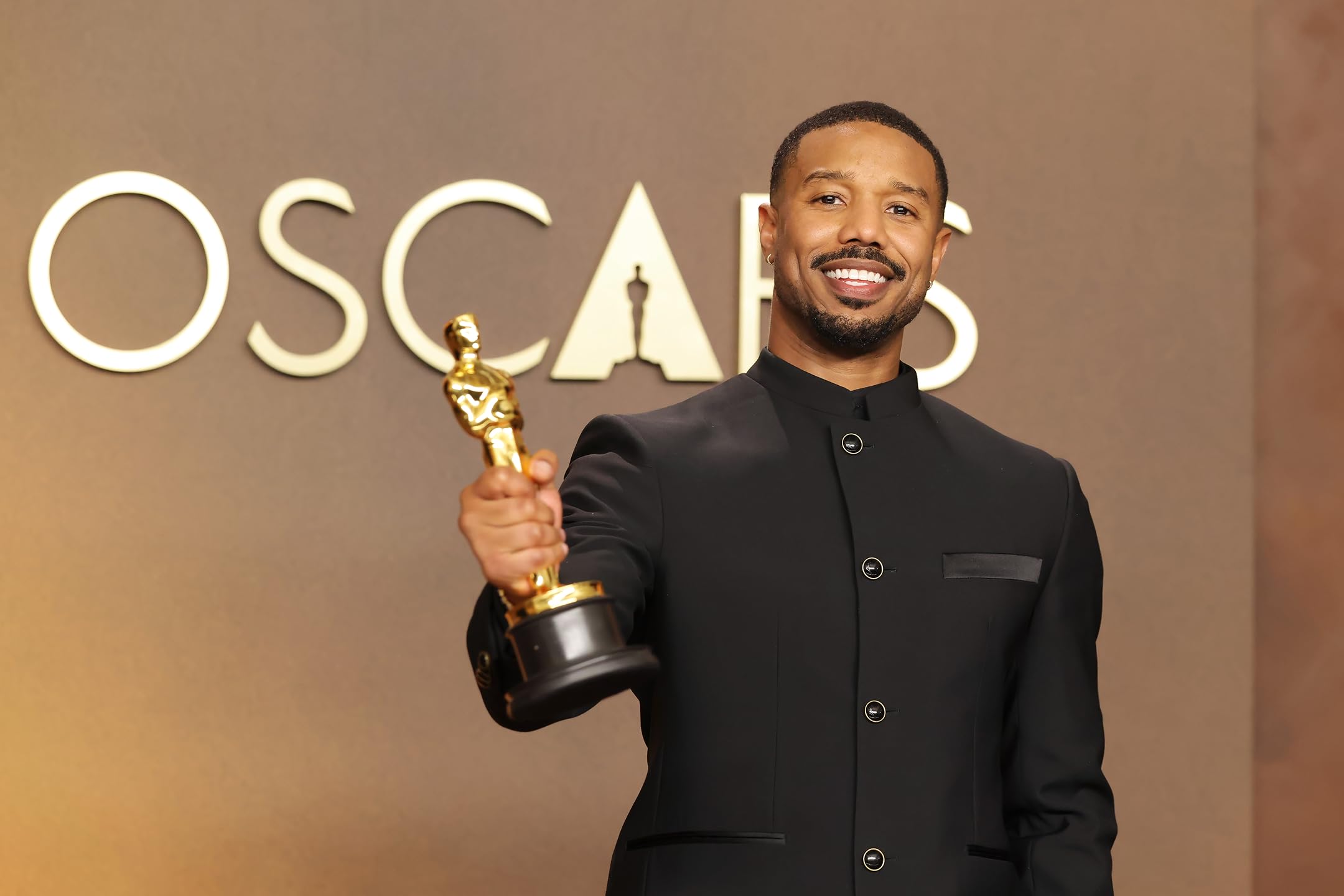
Its main competitor was Sinners. This blockbuster about vampires and blues in the American South during the Great Depression, directed by Ryan Coogler, received four awards, including the Oscar for Best Actor. Michael B. Jordan, who received it, surpassed the category’s main favorite, Timothée Chalamet, as well as Ethan Hawke and Wagner Moura. Chalamet «missed out» despite a very strong performance in the drama Marty Supreme. The Genius of Combinations. His loss was the result of his recent awkward public remarks about opera and ballet, as well as the reputation of the film’s director, Josh Safdie, tarnished by a story of alleged abuse that he reportedly witnessed but did not prevent.
The defeat of a contemporary screen star with a dozen striking roles in his portfolio came as a real surprise to many. Chalamet seemed the undisputed favorite in this category, and his victory appeared predetermined. And not only because he gives himself completely to his performances, but also because the film itself captivates with that lost cinematic paradise — when the trees were taller, and actors were screen gods from whom people learned how to live and love.

«SHAKESPEARE’S WIFE» AND OTHERS
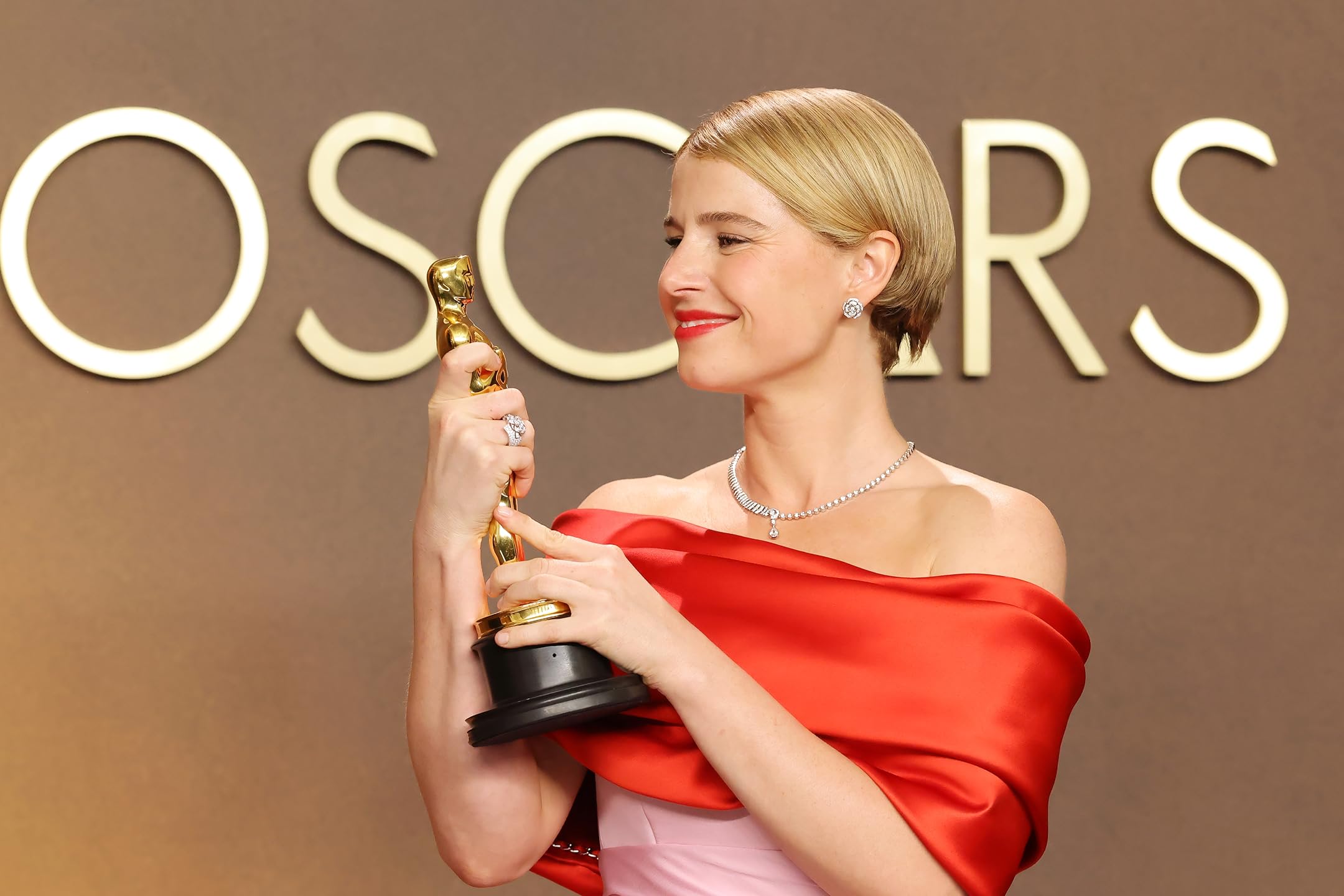
There were no surprises in the Best Actress category. The Oscar predictably went to Irish actress Jessie Buckley for her role as Shakespeare’s long-suffering wife in the drama Hamnet: The Story That Inspired «Hamlet». Hardly anyone doubted she would take home the statuette. Although Buckley cannot be called a superstar, before this ceremony, she had already made a name for herself with roles in independent cinema, captivating discerning audiences with her remarkable courage and inclination toward experimentation. One need only recall her Ukrainian character Lyudmila Ignatenko — the fragile yet strong wife of a firefighter in HBO’s Chernobyl, who steadfastly endures her husband’s decline after radiation exposure.
Both there and in Hamnet, her storyline forms the emotional core of the film, as it is driven by love, which the actress conveys brilliantly on screen. Her Agnes, shunned by others as a supposed witch, marries a young Shakespeare. While he stages his first plays in London, she raises their three children alone and confronts a plague epidemic, which ultimately claims the life of their eleven-year-old son. Buckley performs this scene at the very limits of human capability. Her performance could not leave the Academy unmoved. The Oscars have always valued when an actor makes significant sacrifices for a role — gaining or losing weight, mastering a new profession, or… eating raw bison liver, as Leonardo DiCaprio did in The Revenant (2015).
In Hamnet, Buckley did even more, acting with such intensity that one fears for her health. The same can be said of another acting-category triumph — Sean Penn, who received his third Oscar, this time for Best Supporting Actor in One Battle After Another by Paul Thomas Anderson. However, Penn notably… did not attend the ceremony. Not out of protest or disdain for the Oscars — he had once again traveled to Ukraine, and news of his victory reached him midway through his journey. One of his Oscars, incidentally, is in Kyiv: a couple of years ago, the actor presented the statuette to President Volodymyr Zelensky, and it has been kept there, on Bankova Street, ever since.
In other categories, the winners included Amy Madigan (Best Supporting Actress for the horror film Weapons); the Norwegian drama Sentimental Value by Joachim Trier (Best International Feature Film); the animated film K-Pop Demon Hunters (Best Animated Feature); Mr. Nobody Against Putin by directors Pavel Talankin and David Borenstein (Best Documentary Feature); Swedish composer Ludwig Göransson for the score of Sinners; the song Golden from K-Pop Demon Hunters; and Tamara Deverell for production design and costumes in Guillermo del Toro’s Frankenstein. The technical Oscar for Best Visual Effects went to the new Avatar. Cinematographer Autumn Durald Arkapaw made history as the first woman to win the Academy Award in this category for Sinners, a film shot as if the camera were replaced by a brush and oil paint.
ART, FAMILY, CHILDREN
At the heart of this year’s Oscars were deeply human stories — about family (One Battle After Another, Marty Supreme, Sentimental Value, Hamnet) as the only support in this mad, mad, mad world; about art, which reminds us what it means to be human (Sinners); and about children. What kind of world will we leave them? This question was voiced from the stage by Paul Thomas Anderson, who, throughout the entire awards season, embodied thoughtful, grateful modesty, and here also shone with philosophical wisdom. Jessie Buckley spoke from the stage about the «beautiful chaos of maternal hearts», while Michael B. Jordan, accepting his Oscar for Best Actor, like a grateful son of his noble predecessors, said he felt proud to stand alongside the great Black actors who had won in this category in other eras (Denzel Washington, Sidney Poitier…). In other words, he was speaking of his second family — the tradition he now carries forward into the world. It was a beautiful speech, with references to the past and confidence in the future. The very future we all try, in one way or another, to discern through the fog of an unending war, yet see only on the canvas of the screen.
This year’s Oscars unexpectedly united us, returning us — if only for a while — to those times when great Hollywood films brought together people of different cultures, political views, and faiths, allowing them to be themselves. The films celebrated at the ceremony make one believe that any dream can come true. The main thing is not to let hope fade in our hearts.
When copying materials, please place an active link to www.huxley.media
Select the text and press Ctrl + Enter