A CONVERSATION WITH A SCIENTIST: The Mysteries of Metamerism

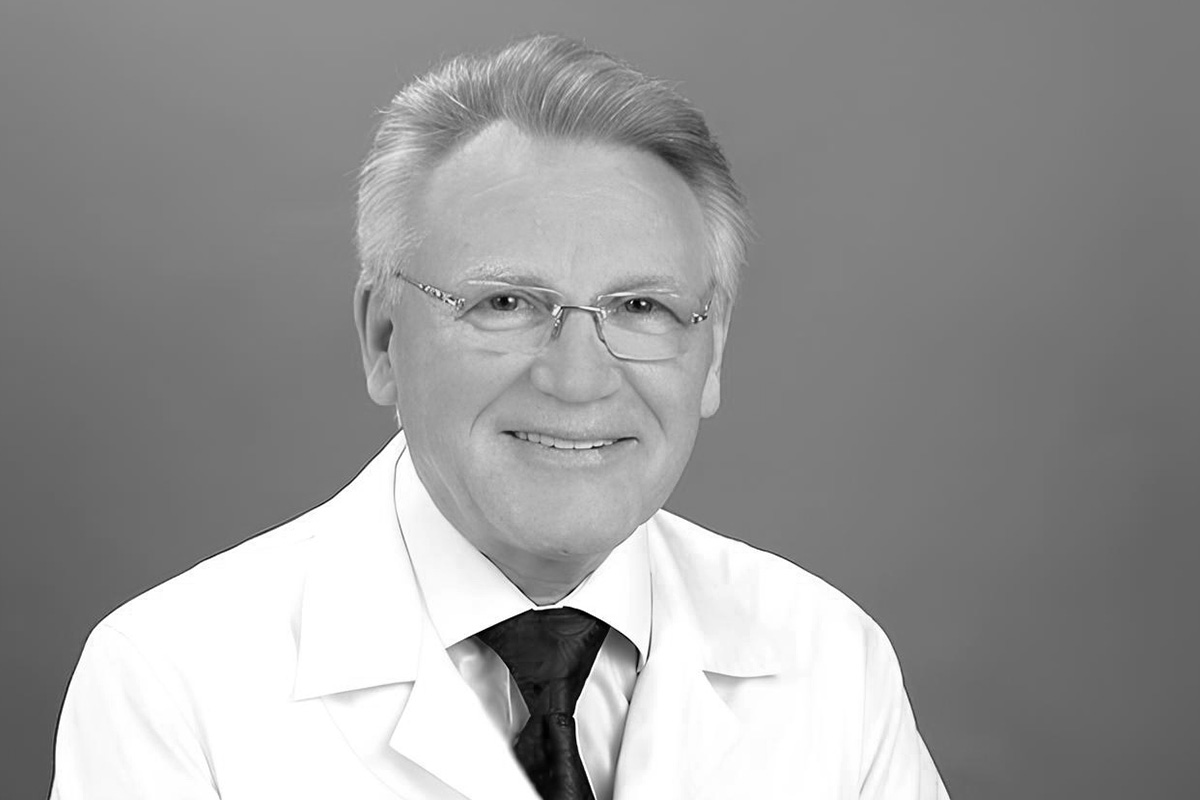
Volodymyr Bersenev, neurologist of the highest qualification category, Honored Doctor of Ukraine, author of scientific books and publications

Chronic pain syndromes caused by spinal problems affect 50% of the population in the United States, 30% in Norway, 15% in Spain, and virtually everyone in Ukraine. Viktor Halasiuk — President of the Ukrainian Association of the Club of Rome and Corresponding Member of the World Academy of Art and Science — speaks with researcher, physician, and philanthropist Volodymyr Bersenev.
O
ur protagonist was born in Estonia and worked in Switzerland for many years, but Ukraine became the country with which he most firmly connected his life. Volodymyr lives here, works here, treats patients, and develops medical Science. As head of fundamental research at the Kyiv branch of the Ukrainian Research Institute of Clinical and Experimental Neurology and Psychiatry, he authored 20 patents. This work laid the foundation for a new field in medical Science — metameric therapeutic technologies. His life reads like a true adventure novel, while he himself is a treasure trove of worldly wisdom and an example of remarkable resilience. Huxley asked Dr. Bersenev to speak about the research that has improved the lives of hundreds of thousands of people, the future of medicine, and how Ukraine might become a medical Mecca.
THE DA VINCI PATH
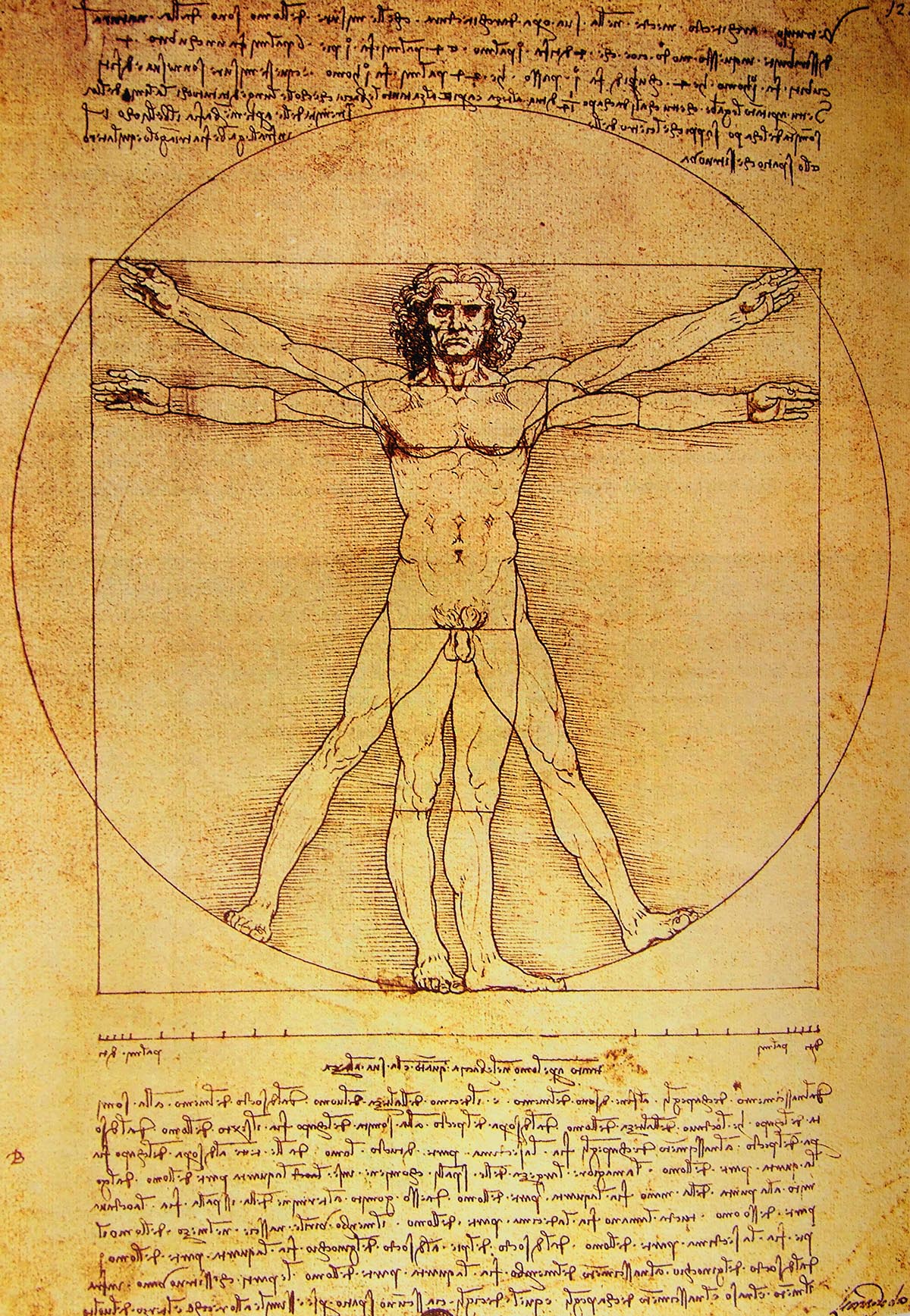
Leonardo da Vinci wrote that a person’s first childhood memory determines the course of their life. My first memory is of a neurological examination. I had a headache, although I do not remember the pain itself — but I remember the examination in detail. My father also influenced my choice of profession. During the war, he suffered a gunshot fracture of the upper third of his thigh and walked with a severe limp. When I was 14, he told me: “Become a neurologist”. I was born in Estonia, in the town of Kuressaare on the island of Saaremaa, which has attracted meteorites since ancient times. I grew up there and later studied in Arkhangelsk, then the world’s northernmost medical institute. Because of Stalinist repression and the “Doctors’ Plot”, many distinguished professors had moved far away from the capital, so I received an excellent fundamental education. The requirements were strict: for example, your academic record would not be signed until you had personally assisted with 20 births under the supervision of a senior colleague. After Arkhangelsk, I moved to Kyiv, where I completed postgraduate studies at the Kyiv Institute of Physiology and, following an official invitation from the government of the Ukrainian SSR, remained in Ukraine.
THE EVOLUTION OF THE QUESTION
My research aimed to study the patterns of neurometameric innervation of the human body. I subjected maps of somatic and autonomic innervation of the musculoskeletal system, internal organs, cardiovascular, immune, and endocrine systems, as well as the skin, to detailed analysis. Over nearly half a century of developing and refining this new medical research field, we combined metameric reflex therapy with the simultaneous administration of medication microdoses and comprehensive rehabilitation. A system of effective therapeutic care was developed for patients with chronic pain syndromes and for children with persistent pathological conditions.
Metamerism is a field of medicine based on diagnosis and treatment from the perspective of the human body’s metameric structure. A metamer — from the Greek metos, meaning “part” — is a section of the human body containing a segment of the nervous system through which the functioning of certain internal organs, muscles, blood vessels, and areas of skin is regulated. Metameric organization of body tissues is a biological regularity. At birth, an infant has 33 paired territories: three cranial, eight cervical, five thoracic, seven abdominal, five lumbar, and five sacral. Occasionally, a person may have an unusually elegant long neck due to an extra vertebra; in that case, one vertebra will be absent from the lumbar or thoracic region. But the total number remains 33. Each of these metamers consists of seven components: the dermatome (skin), neurotome (nerves), vasotome (blood vessels), sclerotome (skeleton), glotome (endocrine and immune systems), and myotome (muscles).
Over evolution, the human body has moved somewhat away from a strictly metameric structure. However, in the early stages of embryonic development, metamere formation is clearly observable. The embryo’s skeletal, muscular, vascular, excretory, and nervous systems are metameric. Metamerism can also be traced in the formation of the vascular and lymphatic systems and in the development of internal-organ innervation. A clearly defined metameric pattern remains in the structure of the vertebral column, ribs, and rib cage; the arrangement of the intercostal muscles, spinal roots, spinal nerves, and ganglia of the sympathetic trunk; and the muscles of the spine. Other parts of the body — the arms, legs, head, abdominal and thoracic cavities, pelvis, and so forth — differ greatly from one another. Over millions of years, evolution has substantially changed their structure, purpose, and appearance. But the connection between the peripheral and central nervous systems in these organs has remained metameric.
As the embryo develops, the skeletal muscles move away from their original locations. Yet no matter how much a muscle’s position changes, the nerve controlling it grows along with it. This is why the nerve supplying a muscle indicates where that muscle originally developed in the embryo. Take the diaphragm, which is controlled by nerve segments in the cervical spinal cord. A striking example of how far a controlled organ can be located from its metamer is a “diver’s injury”. An unsuccessful head-first dive may damage the cervical spine, leading to paralysis of the diaphragm and respiratory arrest if the injury occurs at the C3–C4 level of the spinal cord.
HEALING THROUGH WORDS
I have authored 99 books with a combined print run of half a million copies in Russian, Ukrainian, and English. This is important because educational work plays a special role in disease prevention. Books such as A Medical Guide for the Third Age, A Medical Guide for Families Raising a Child with Neurological Impairment, The Spine and Pain, and SOS — Spondyloarthrosis, Osteochondrosis, Spondylosis have already been reprinted five times. These books help people. The key is early diagnosis and prevention. Metameric pain points appear two or three years before symptoms arise. Identifying these points, together with the nature of autonomic reflexes, makes it possible to diagnose the development of pathological conditions in the human body in advance.
Particular attention should be paid to the age of 28–30, when the human body is fully formed, and a comprehensive examination can provide a clear prognosis of a person’s future health. For example, one of the most common diseases is coxarthrosis, a disorder of the hip joint. Metameric diagnostics, for instance, can make it possible to tell a 30-year-old: “Take care of your joints, otherwise you will have serious problems with them in old age. Mountain hiking is not for you. If you want to exercise, choose brisk walking — two steps per second, two or three times a week for 40 minutes”.
THE BACKBONE OF THE WORLD
Chronic pain syndromes caused by spinal problems affect 50% of the population in the United States, 30% in Norway, 15% in Spain, and virtually everyone in our country. The main reason is that people carry heavy loads from childhood. Evolutionarily, the most ancient structure in the human body is the notochord. Early in embryogenesis, it develops from what is known as Hensen’s node. It is a biological string running through the center of the vertebrae along the entire length of the spine, entering the skull and disappearing somewhere in the region of the pituitary gland. This has not yet been studied precisely. During embryogenesis, the notochord acts like an architect building a city. It controls the formation of the spinal cord and spine and helps establish the future human being’s upright posture.
By birth, the notochord disappears after fulfilling its function, but its remnants between the vertebrae become the nucleus pulposus at the center of each intervertebral disc. This semi-fluid substance should remain permanently in the center of the disc. It lacks immunological tolerance, and when it appears outside the disc in the form of a hernia, it is treated by the body as a foreign structure. As a result, the immune system begins producing antibodies against all the discs. These processes are slow and can continue for years or even decades.
One example is what I have called “24th disc syndrome”. A person falls on their coccyx as a teenager. A disc also sits between the sacrum and coccyx. In such an injury, the nucleus pulposus is exposed, and its antigenic material becomes accessible to the immune system. The body begins producing antibodies against the remaining 23 discs. The pain from the fall goes away, but much later, around age 35, pain develops in the lumbar, cervical, and thoracic regions. An MRI examination identifies osteochondrosis. Often, the person does not even remember falling on their coccyx in childhood.
The second cause of osteochondrosis is sport. Intervertebral discs complete their development by age 21–22. Before that age, the spine should categorically not be overloaded. This applies to all strength-based sports. A woman who gives birth before the age of 21 will inevitably develop lumbar osteochondrosis, because during pregnancy the center of gravity shifts and the load on the discs increases sharply. Another cause of herniated intervertebral discs is what might be called “fatal movements”. One example is a sudden jerking movement combined with rotation. At that moment, the disc ruptures, and the nucleus pulposus passes through the opening, creating a hernia.
These hernias usually press on the spinal ganglion, which then “cries out in pain” in the territory it controls. Most often, such problems occur at the fourth and fifth lumbar discs. Knowing the root causes helps avoid their negative consequences.

TREATMENT WITHOUT SURGERY
Imagine the human body as 66 microstates, each led by a spinal ganglion. It has complete authority over three processes that underlie virtually all human diseases: sensory processes (sensations, including pain), reflex processes (muscle and vascular tone), and trophic processes (metabolism and tissue nutrition). Most human diseases have a metameric character. The affected metamer must be identified, and therapeutic efforts should be focused on it. First, patients need to understand the persistent pathological condition that has developed. All tissues in the body, except teeth, can regenerate. But regeneration takes different amounts of time.
If you bite your tongue hard enough to draw blood, within a day you may no longer be able to find the injured spot. Damaged intervertebral discs, however, take about two years to regenerate. Just as pregnancy cannot be accelerated, neither can regeneration. Metameric treatment works as follows: the physician injects the compromised territory — the metamer — using a short, fine needle, administering injections from the lower back to the foot, from the back of the head to the hand, and so on. The physician acts on the patient’s gradient reflexogenic zones — points of maximum biological activity — using microdoses of biologically active medications.
In effect, this introduces “building material” for damaged nerve structures, thereby improving and normalizing the function of the spinal ganglia — clusters of sensory nerve cells located in the openings between adjacent vertebrae — which are key elements in the structure of the neurometamer. As a result, sensory, reflex, and trophic processes are normalized. Ultimately, hernias are resorbed, and discs recover — slowly but surely. We treat each patient for about two years, repeating treatment courses two or three times a year. During the rest of the time, the patient follows an individual home-treatment program. Our many years of experience with metameric therapy show a strong clinical effect in most patients: remission in 56.4%, significant improvement in 37.3%, and improvement in 6.1%.
CAUSE AND EFFECT
We have long worked with children suffering from persistent pathological conditions, including delayed speech and psychological development, cerebral palsy, myopathy, and others. The statistics are discouraging. In 1993, 61% of births in the country were pathological; in 1997, 67%; in 2000, 70%. The cause of pathological births is most often not obstetric care, but the family. There is a medical rule: a compromised fetus is born with complications. I often ask young people: “Why is it that in the Slavic families who come to us, every second child with cerebral palsy also has epilepsy? And why do we not see this in Muslim families?” Everyone I ask is stumped. My view is that Muslim women are not exposed to alcohol and cigarettes.
It is difficult to work with families raising a child with cerebral palsy — as a rule, these are single-parent families. Once, my friend, Member of Parliament Anatolii Yermak, who later died tragically, suggested setting up a charitable foundation. That is how the Dr Bersenev Charitable Foundation was established in 2003. It continues to work effectively and helps provide treatment for children with disabilities to this day. When adult patients see these children, not everyone can cope with it emotionally. Often, they begin helping our young patients themselves. The charitable foundation cooperates with the Ukrainian Philanthropic Marketplace. In 2018, our medical center’s children’s department provided 71 treatment courses free of charge to 55 children.

A EUROPEAN HEALTH RESORT
Given Ukraine’s unique natural environment and geographical location, I believe it could become a health resort for neighboring countries. Particular attention should be paid to health improvement and rehabilitation, especially for children. Health camps of different categories and price levels should be built along riverbanks, lakes, and seashores. Then entire families would come here. I have treated people from 60 countries around the world: diseases are the same everywhere. Many patients prefer to receive treatment abroad, partly because they want to conceal their health condition so as not to risk their careers. Every day, foreign citizens from all over the world come to our clinic. And I think Ukraine could attract many more such people.
MONEY DOES NOT HEAL
Business has become deeply involved in medicine. And, to put it mildly, that is not a very good thing. For example, 250,000 operations for herniated intervertebral discs are performed in the United States every year. A few days after surgery, a person may return to the office, but no one cares what happens a year later. Seventy percent of patients develop complications. Courts in the United States are flooded with lawsuits from patients against clinics. At one point, the US Supreme Court approached me with an offer to serve as an expert. They wrote to the Library of Congress, asking, “Who works on eliminating these kinds of problems?” It turned out that the only scientific monograph on the subject had been written by me. But naturally, I was not granted a visa because American medical associations have strong influence.
It is easier for American doctors to operate on a patient without thinking about the long-term consequences. Later, we work with such patients, and some cases are extremely difficult. In general, the branches of medicine that develop most actively are those that require new equipment. Diagnostics has also advanced greatly, even in Kyiv, but treatment has not. Treatment still follows standardized protocols, even though every patient requires an individual approach. Chronic diseases are rarely treated. For example, a person may have hip pain, and doctors simply wait until surgery becomes necessary. Yet these problems can be diagnosed early and prevented.
WITHOUT A PORTFOLIO
Once, I was offered the position of minister, but I learned about it in advance and was prepared for the conversation. When the proposal was put to me, I said: “I hope this is a joke?” — and that was the end of the matter. But if I had taken that position, I would have focused first and foremost on disease prevention and developing early diagnostics. In fact, I was offered several very senior positions, but I always declined. I regretted it only once, when I turned down another offer. I was giving a presentation on metamerism at the World Health Organization. They have a tradition there: when a specialist retires, they look for a successor. At that time, the position in the neurology sector was held by an Egyptian professor, and he invited me to continue his work. But I declined because it was bureaucratic work: I would have to travel constantly on official business, while I wanted to treat people.
When reproducing this material, please include an active link to www.huxley.media
Select the text and press Ctrl + Enter